


Sep 28,2026
Half an ounce converts to exactly 14.7868 milliliters when you use the US fluid ounce measurement. In the bottle and cosmetics industry, that figure is almost always rounded to 15 ml, the standard size for travel sprays, perfume samples, and trial-size skincare. The gap between 14.79 and 15 ml is not a labeling mistake; it is a practical rounding choice that keeps package markings readable while staying within acceptable dosing tolerance. The precise value still matters when a formula requires an exact volume, so understanding the 0.5 oz to ml conversion gives you a clearer picture of what a half-ounce bottle truly holds.
The Exact Numbers Behind the 0.5 oz to ml Conversion
The word "ounce" can refer to two different fluid measures. A US fluid ounce contains 29.5735 ml, while a UK/Imperial fluid ounce contains 28.4131 ml. Because the two standards use different factors, 0.5 oz converts to a different milliliter value depending on which system your product follows. The US fluid ounce is the default reference in the personal care packaging industry, even outside the United States, because most global brand specifications were written around the US system.
| Ounce system | Conversion factor | 0.5 oz in ml |
|---|---|---|
| US fluid ounce (fl oz) | 29.5735 ml per fl oz | 14.79 ml |
| UK/Imperial fluid ounce (fl oz) | 28.4131 ml per fl oz | 14.21 ml |
On a typical US product label, "0.5 fl oz" refers to the US fluid ounce. The common rounding to 14.79 ml is acceptable for almost all packaging applications. The UK figure only matters when you are importing or exporting to a market that uses the Imperial system, and in that case the practical volume is about 14.21 ml.
Why 15 ml Is the Standard Half-Ounce Size in Cosmetic Packaging
When you buy a 0.5 oz bottle, the intended volume is nearly always 15 ml. This size is deeply embedded in how beauty and personal care products are sold. Airlines allow 3.4 oz (100 ml) per container in carry-on luggage, which makes a 0.5 oz bottle about one-third of the allowed carry-on volume. Brands use 15 ml bottles for travel kits, subscription boxes, and product samples because the volume is large enough to test a product several times but small enough to keep production costs low.
Common products in 0.5 oz bottles include perfume samples, facial toner, hand sanitizer, and roll-on deodorant or serum. Each of these needs a different dispensing mechanism. A fine-mist pump suits a perfume or toner, while a roll-on ball works with a thicker liquid that should be spread directly on the skin. The 0.5 oz size also pairs naturally with a micro sprayer because the output per stroke is easier to control in a small bottle.
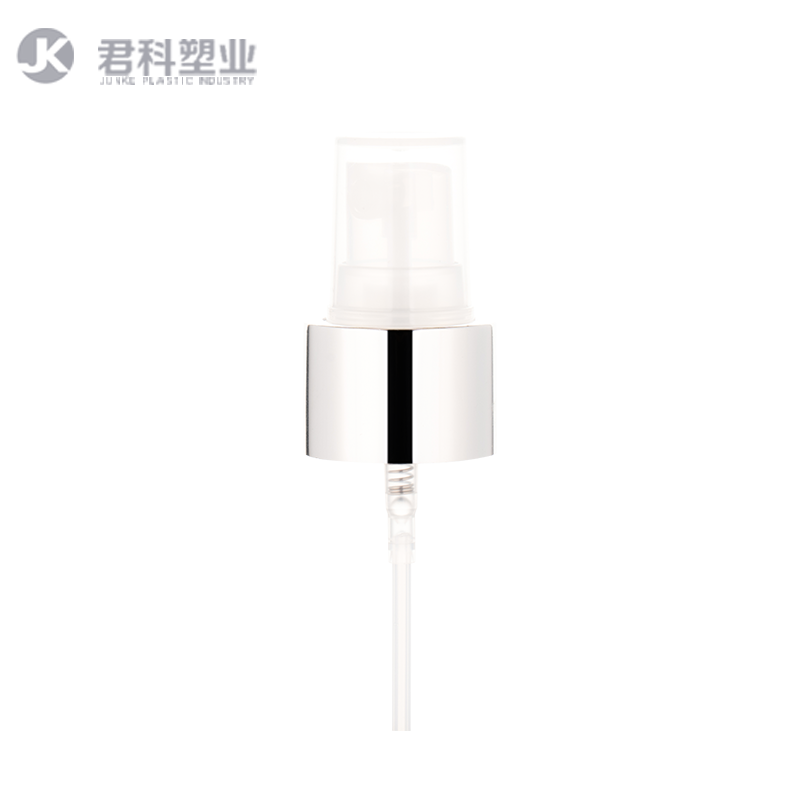 Aluminum Fine Mist Pump Sprayer for 15ml Perfume BottleThis 24/410 aluminum fine mist pump suits 0.5 oz perfume bottles, delivering a fine spray that preserves fragrance. Its compact size and controlled output make it ideal for travel-sized samples.View Product →
For a perfume brand, an aluminum fine-mist pump on a 15 ml bottle gives a compact and premium presentation. The pump delivers the product in a fine mist, which preserves the fragrance profile and prevents over-application from a small container. For a 0.5 oz perfume sample, the dispense rate of the pump directly affects how many applications the customer gets. A 1.2 cc output pump will deliver about 12 sprays, which is enough for roughly two weeks of daily use.
Hand sanitizer in a travel-size bottle follows the same logic. A fine-mist sprayer rated for alcohol-based formulas works well when the bottle has a 20/410 or 24/410 neck.
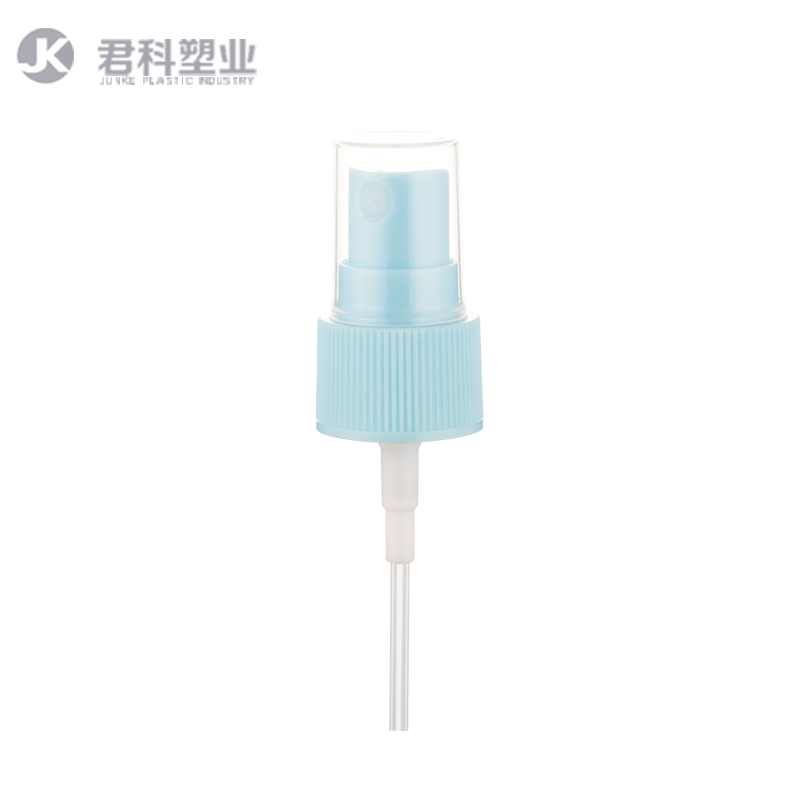 20/410 Fine Mist Sprayer for Travel Hand SanitizerThis 20/410 fine mist sprayer is designed for alcohol-based hand sanitizers in small bottles. It provides even coverage and quick evaporation, making it convenient for on-the-go use.View Product →
Roll-on products, by contrast, rely on a ball inside the bottle neck. A POM plastic ball or a glass ball moves freely inside the bottle as the user tilts it, picking up the liquid and transferring it to the skin. When the bottle size is 0.5 oz, the ball must be small enough to sit correctly in the neck while still providing a smooth roll.
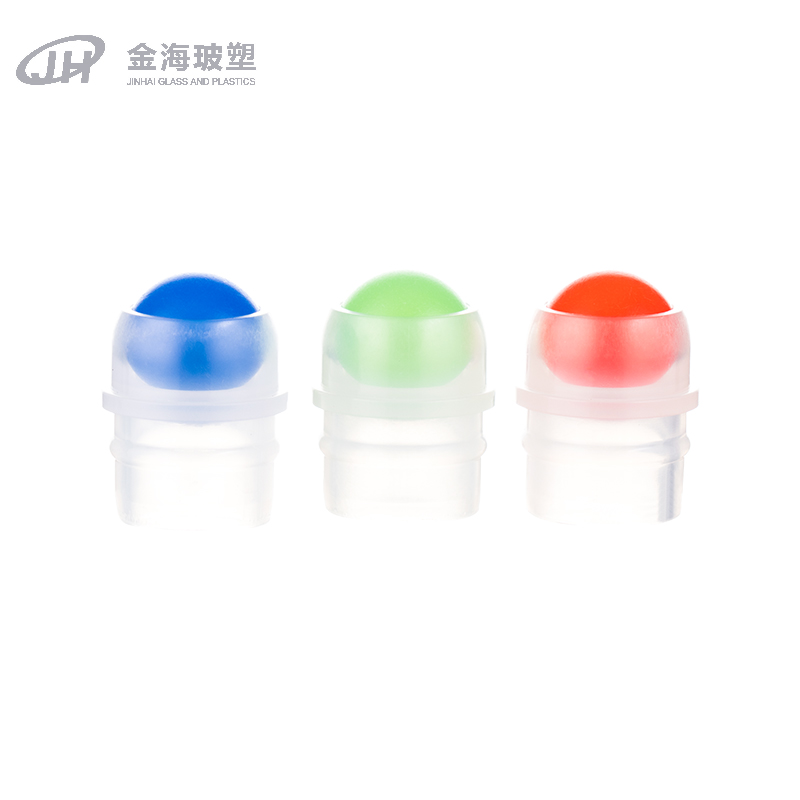 Colorful Plastic Roller Ball for Glass Roll-On BottlesA POM or PP plastic ball fits 0.5 oz roll-on bottles, ensuring smooth application of thicker liquids like deodorants or serums. It prevents leaks and allows precise transfer to the skin.View Product →
Nominal Capacity, Fill Volume, and Pump Dosage
A 0.5 oz bottle is labeled with a nominal volume of 15 ml, but the actual volume it can hold depends on the bottle design and how the product is filled. The term "fill capacity" refers to the volume a bottle can hold at the overflow point, which is usually slightly larger than the nominal volume. For a 15 ml bottle, the fill capacity might be 15.5 ml or 16 ml, leaving headspace for the pump to displace liquid without overflowing.
Tolerances matter just as much. A bottle molded with a ±0.2 ml tolerance can hold anywhere from 14.8 ml to 15.2 ml. For a 0.5 oz product, this is a difference of roughly 1.3 percent, which is acceptable for most cosmetics but can be a problem for products sold by exact dosage, such as medical nasal sprays or pharmaceutical formulations.
Matching Pump Output to a 15 ml Bottle
The pump output is the other variable. A 4cc lotion pump dispenses 4 ml per actuation, so a 15 ml bottle would empty after fewer than four strokes. That makes a high-output pump unsuitable for such a small volume. A micro sprayer with a 1.2 cc output per actuation would give you about 12 sprays from a 15 ml bottle; if the output is 0.12 ml, the same bottle would deliver around 120 sprays. Matching the pump to the bottle size is not optional; it is the difference between a controlled dose and a product that empties prematurely or leaks.
Small bottles also amplify sealing problems. A 0.5 oz bottle has less internal air space, so pressure changes during filling, transport, and use are more pronounced. A gasket that works well on a 100 ml bottle may not seal a 15 ml bottle under the same conditions. PE gaskets are commonly used in pump caps because they resist chemical attack from alcohol and essential oils. Aluminum-foil-coated PE gaskets add a barrier layer that helps preserve the product and prevent leakage through the cap. This is why the selection of the right PE gasket, rubber ring, or foam liner is directly tied to the 0.5 oz to ml conversion.
How to Match a 0.5 oz (15 ml) Bottle with the Right Pump Head
Choosing the right pump head for a 15 ml bottle starts with the neck finish. The most common neck sizes for small bottles are 18/410, 20/410, 24/410, and 28/410. The first number is the bottle neck diameter in millimeters, and the second number refers to the thread profile.
- 18/410 - slim perfume sample bottles
- 20/410 - travel-size hand sanitizers and toners
- 24/410 - standard half-ounce skincare bottles
- 28/410 - larger travel and full-size bottles
Once the neck size is confirmed, the next decision is the dispensing mechanism. For a fine mist, use a micro sprayer. For a viscous lotion or soap, use a screw pump. For a product that needs direct skin contact, use a roll-on ball. The site's product category overview gives a good starting point for locating these components.
When you are evaluating micro sprayers, the output per stroke and the dip tube length both affect how much liquid is actually dispensed from a 15 ml bottle. You also want a pump with a lock mechanism so the product does not leak during travel. Pump lock mechanisms come in two basic styles: up-down lock and left-right lock. An up-down lock twists the head downward to lock the pump, while a left-right lock requires rotating the head to one side. For a 0.5 oz travel bottle, either mechanism works, but the left-right lock is often easier to operate with a smaller head. This article on how to choose the right micro sprayer for cosmetics covers the selection criteria in more detail.
Quick Conversion Reference Table for oz to ml
The calculation is simple: multiply the ounce value by 29.5735, then round to two decimal places for general use. This table gives the conversions you are most likely to encounter when buying or filling small bottles.
| Fluid ounces | Milliliters (rounded) | Common packaging use |
|---|---|---|
| 0.5 oz | 14.79 ml | Perfume sample, travel hand sanitizer |
| 1 oz | 29.57 ml | Travel lotion, toner |
| 1.7 oz | 50.27 ml | Standard skincare bottle |
| 2 oz | 59.15 ml | Travel body wash |
| 3.4 oz | 100.55 ml | TSA carry-on maximum |
If you need the exact number for a 0.5 oz bottle with a 15 ml target, the practical manufacturing value is 14.7868 ml. For most dispensing purposes, treating it as 15 ml is acceptable because the difference is about 1.4 percent. To go the other direction, divide the milliliter value by 29.5735 to get fluid ounces. For example, 15 ml divided by 29.5735 equals approximately 0.507 oz, which is why a 15 ml bottle is labeled as 0.5 oz. The critical part is not the rounding itself but whether your pump output and bottle tolerances keep that 15 ml volume consistent from the first spray to the last.